Friday, 22 April 2016

5 Ways To Make Sure Your Bearded Dragon Stays Healthy: Water


5 Ways To Make Sure Your Bearded Dragon Stays Healthy: Water


Water is normally an obvious thing to provide for a pet, but a Bearded dragon needs specific amounts. Even though they don’t drink too much, it is good to provide a lot of water for them because they not only drink the water – they also bathe in it!

 In their natural habitats they have plenty of puddles and rivers to soak themselves in so it is really good to give them something to replace this. If your bearded dragon isn’t going and bathing in the water enough, it could be useful to get a spray bottle that you can fill with warm water and lightly spray them with. Get one now at https://www.reptiles.swelluk.com/reptile-supplies/reptile-humidity-and-water/reptile-water-sprayers/

When getting a water bowl for your reptile, it is not always necessary to spend a fortune at pet stores on a container that matches your vivarium (any clean container will be adequate). The most important thing about the water container is that it/s shallow, because Bearded dragons walk on all fours and will not be able to survive if the water is too deep.

 If you want to be sure to get the right one, at most pet shops you can get water bowls that camouflage in with most vivariums, that are designed for reptiles and are nice and shallow. Get one at https://www.reptiles.swelluk.com/reptile-supplies/reptile-feeding-equipment/reptile-water-dishes/

Warning: Live foods like hoppers or locusts have a habit of jumping into water bowls, try to keep them away for it or they might drown. There is a feature on the dangers that equipment can have on your reptiles on page 24 of this week’s ‘Your Reptile’ magazine – make sure you give it a read!

Here is a picture of my own bearded dragon (Rankins Dragon breed), Nacho, enjoying it’s bath after lunch – here he is sitting in a water bowl specifically designed for reptiles.

Even bowls like this can’t be filled to the top, a good amount is around 2 centimetres for small dragons like this, but larger breeds may need more.

Thursday, 21 April 2016

5 Ways To Make Sure Your Bearded Dragon Stays Healthy: Feeding


5 Ways To Make Sure Your Bearded Dragon Stays Healthy: Feeding

Hello all!

Bearded Dragons are one of the most common reptiles that people keep as pets, because of their (almost) easy diet and that they are actually pretty easy to look after. They are also a good first reptile to own because they are not too fussy and have a variety of sub-breeds that you can choose from (Central bearded dragon, Rankins dragon, Eastern bearded dragon, and the Pogona Minor).

You still need to ensure that you give them the same attention as you would give any other pet reptile. Below is a handy list of things that you should take note of if you’re keeping a bearded dragon to make sure it’s as happy as you are!

Feeding:

Bearded dragons LOVE live food. Even though it may seem a bit disgusting, feeding your reptile live food is actually very important to their health. Imagine what it would be like for them in their natural habitat when hunting for food… By giving them live food it means they learn to hunt, and get exercise from this. Try visiting https://www.livefoodsdirect.co.uk/ to buy cheap and reliable food online.

An adult bearded dragon should be fed up to 6 medium hoppers or locusts per day, but if they don’t eat them by the next day then don’t feed them extra – wait until they finish and maybe help them out a little by nudging the insect their way. Be careful! If you have plant/wood decoration around the Vivarium the locusts tend to hide in the nooks and crannies and can be hard for the Bearded dragon to seek out.

As well as this, it would be a good idea to give them some salad in a bowl just incase their live food doesn’t satisfy them enough. You can give your bearded dragon treats like live meal worms every now and then, they love these but they aren’t very good for their health (a bit like chocolate for us) so don’t give it to them too often! There will be more information about treats for reptiles in Thursday’s episode of synopticity productions’ Your Reptile Live – keep an eye out for it!

Wednesday, 16 March 2016

Things to Consider When Getting a Reptile: Part 2


Things to Consider When Getting a Reptile: Part 2

Hi! continuing from the last post, getting a young pet reptile can seem like a good idea to begin with, but you have to be prepared for very specific heat and dietary requirements that need to be kept an eye on even more so than an adult reptile. If this is your first reptile, an adult could be more suitable because they will be less lively and will need less attention.


Life spans of common reptiles in captivity
Leopard Gecko
20 years or more
King snake
10 – 15 years
Ball python
15 – 20 years
Bearded dragon
5 – 10 years
Corn snake
10 – 15 years
Boa constrictor
15 – 25 years
chameleon
3 – 8 years
Leopard tortoise
50 or more years
Green anole
4 – 8 years
Eastern box turtle
25 – 50 years

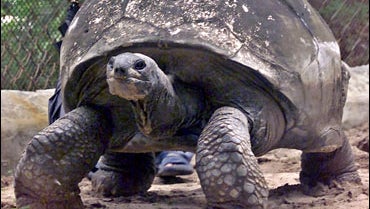
As with all pets (especially if you have children) you need to really think about whether or not you want to keep one in the long term. I would definitely recommend doing a lot of research about the reptile you want to get before visiting the pet shop, because a pet reptile is a long term commitment – all common reptiles live past 5 years, the average life span being around 15/20 years (with some tortoises having a 170 year life span, they will outlive you). The oldest reptile ever recorded was an Aldabra Giant Tortoise that lived 225 years in captivity in India! (If you want to see this tortoise take a look at this link:http://cbsnews1.cbsistatic.com/hub/i/r/2006/03/24/d34c03da-a642-11e2-a3f0-029118418759/thumbnail/620x350/bed562ba988fc6b32708a99f85aa27d1/image1434569x.jpg )

Here is a rough guide as to how many years these common reptiles will live on average

It might also be a good idea for you to prepare for the worst before getting a pet reptile; here are some simple disaster solutions:

  1. Heating: Occasionally, your house will lose power so your reptile’s heating will stop working and this will affect and potentially kill a sensitive reptile, especially during winter months. To prevent this from happening, buying a heat pack is recommended.http://www.heatpacksuk.co.uk/uniheat-shipping-warmers.php is a website that sells cheap heat packs, if you are looking to purchase one.
  2. Housing: insulated styrofoam boxes that perishable goods are delivered in make good temporary housing if something has happened to your vivarium and you need a quick solution before you order a replacement. Find out more about temporary housing in the next episode of Your Reptile Live by Synopticity productions, with a feature on the cheapest housing that you can buy. If you are interested in super savings then you could check out page 5 in our ‘Your Reptile’ magazine, which gives you more mays to cost effectively keep a reptile.
  3. Cleaning: regular checks for waste in the enclosure need to be done so that your reptile does not get sick from bacteria in the enclosure. A cage cleaner  (you can purchase one at http://www.bluelizardreptiles.co.uk/reptilecleaning/other/015561226684?gclid=CjwKEAiA04S3BRCYteOr6b-roSUSJABE1-6B9Xd8gecqp5OAYOFwAxKpe-zxDb-_Y8-Bs9YOqZovjhoCA1fw_wcB )is a good idea, because it will decrease the likelihood of infection or disease.  It can also help to stop spreading diseases like Salmonella (to see a full list visit https://www.hpsc.ie/A-Z/Zoonotic/ReptilesandRisksofInfectiousDiseases ) to you, as a reptile owner. Don’t be scared of getting a reptile because of this, these diseases are fairly uncommon, although it’s better to be safe than sorry!

Wednesday, 9 March 2016

Things to Consider When Getting a Reptile: Part 1

 Hello reptile lovers, 


Many people find the idea of owning a reptile interesting, which it is! However, so many people get a reptile without considering all the implications of owning one, and end up with problems. This is why I have written this post; to give you a list of things that you should think about before going to the pet store.

Reptiles…what are they?


Reptiles are animals that originally come from countries that often have important environmental differences to the countries most of us are living in (with a few exceptions). This means that if you are thinking of becoming a reptile owner you must have the time and money to equip your reptile’s vivarium with all the required heating and lighting  it needs.


The type of climate and light that your reptile requires will vary depending on the breed, size and age of the reptile.  For a guide to this, take a look page 13 in last week’s Your Reptile magazine for an additional guide. Buy a copy at www.yourreptilemagazine.com/purchase/37217

 Most reptiles will need a heating system and a lamp that they can bask under, which needs to be regulated and turned on/off depending on the time of day and outside temperature.

 It is important that you keep their enclosure warmer than your house because of the climate differences but be careful not to make it too hot because this could be harmful to your reptile – they can’t always take the heat… literally. To see a list of the suggested temperatures visit www.reptileguides.com/temperaturesuggestions/reptilebreeds/cdrh


Nacho, My bearded dragon, concentrating hard on catching his next meal!
Another thing that many people dislike is the feeding of reptiles. I personally know plenty of people who like the idea of the reptile but hate the idea of feeding it – especially when it comes to live mice and other critters! To find out the preferences of different reptiles, I recommend having a read of the link http://www.dummies.com/how-to/content/feeding-your-pet-amphibian-or-reptile.html

Crested geckos, Blue tongue skinks and Monkey tailed skinks are perfect examples of reptiles that can live off other food supplements like vegetables or cat food/baby food and save you from the difficult task of feeding a reptile a live animal (and from the cost of alternative foods).