Things to Consider When Getting a Reptile: Part 2
Hi! continuing from the last post, getting a young pet reptile can seem like a good idea to
begin with, but you have to be prepared for very specific heat and dietary
requirements that need to be kept an eye on even more so than an adult reptile.
If this is your first reptile, an adult could be more suitable because they will
be less lively and will need less attention.
Life spans of common reptiles
in captivity
| |
Leopard Gecko
|
20
years or more
|
King snake
|
10
– 15 years
|
Ball python
|
15
– 20 years
|
Bearded dragon
|
5
– 10 years
|
Corn snake
|
10
– 15 years
|
Boa constrictor
|
15
– 25 years
|
chameleon
|
3
– 8 years
|
Leopard tortoise
|
50
or more years
|
Green anole
|
4
– 8 years
|
Eastern box turtle
|
25
– 50 years
|
As with all pets (especially if you have children) you need
to really think about whether or not you want to keep one in the long term. I
would definitely recommend doing a lot of research about the reptile you want
to get before visiting the pet shop, because a pet reptile is a long term
commitment – all common reptiles live past 5 years, the average life span being
around 15/20 years (with some tortoises having a 170 year life span, they will
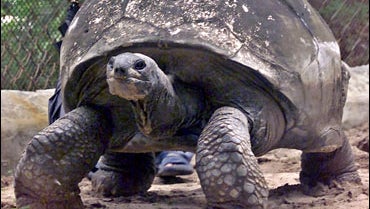
outlive you). The oldest reptile ever recorded was an Aldabra Giant Tortoise
that lived 225 years in captivity in India! (If you want to see this tortoise
take a look at this link:http://cbsnews1.cbsistatic.com/hub/i/r/2006/03/24/d34c03da-a642-11e2-a3f0-029118418759/thumbnail/620x350/bed562ba988fc6b32708a99f85aa27d1/image1434569x.jpg
)
Here is a rough guide as to how many years these common
reptiles will live on average
It might also be a good idea for you to prepare for the
worst before getting a pet reptile; here are some simple disaster solutions:
- Heating: Occasionally, your house will lose power so your reptile’s heating will stop working and this will affect and potentially kill a sensitive reptile, especially during winter months. To prevent this from happening, buying a heat pack is recommended.http://www.heatpacksuk.co.uk/uniheat-shipping-warmers.php is a website that sells cheap heat packs, if you are looking to purchase one.
 Housing:
insulated styrofoam boxes that perishable goods are delivered in make good
temporary housing if something has happened to your vivarium and you need a
quick solution before you order a replacement. Find out more about temporary
housing in the next episode of Your Reptile Live by Synopticity productions,
with a feature on the cheapest housing that you can buy. If you are interested
in super savings then you could check out page 5 in our ‘Your Reptile’ magazine,
which gives you more mays to cost effectively keep a reptile.
Housing:
insulated styrofoam boxes that perishable goods are delivered in make good
temporary housing if something has happened to your vivarium and you need a
quick solution before you order a replacement. Find out more about temporary
housing in the next episode of Your Reptile Live by Synopticity productions,
with a feature on the cheapest housing that you can buy. If you are interested
in super savings then you could check out page 5 in our ‘Your Reptile’ magazine,
which gives you more mays to cost effectively keep a reptile.- Cleaning: regular checks for waste in the enclosure need to be done so that your reptile does not get sick from bacteria in the enclosure. A cage cleaner (you can purchase one at http://www.bluelizardreptiles.co.uk/reptilecleaning/other/015561226684?gclid=CjwKEAiA04S3BRCYteOr6b-roSUSJABE1-6B9Xd8gecqp5OAYOFwAxKpe-zxDb-_Y8-Bs9YOqZovjhoCA1fw_wcB )is a good idea, because it will decrease the likelihood of infection or disease. It can also help to stop spreading diseases like Salmonella (to see a full list visit https://www.hpsc.ie/A-Z/Zoonotic/ReptilesandRisksofInfectiousDiseases ) to you, as a reptile owner. Don’t be scared of getting a reptile because of this, these diseases are fairly uncommon, although it’s better to be safe than sorry!

No comments:
Post a Comment